
Hyud
Hyud
Konfiguriere Deep Work Sessions nach deinen Wünschen. Steigere deine Produktivität und bleibe konzentriert.
Mache echte, erholsame Pausen, die du anpassen kannst, um deinen Geist zu erfrischen, deine Bewegungsarmut zu reduzieren und deine Produktivität hoch zu halten.
Lass Hyud aktiv werden, sobald du eine schlechte Körperhaltung einnimmst.
Hole dir deine Aufmerksamkeit zurück, indem du jede Mac-Anwendung oder Software blockierst, die dich ablenken könnte.
Hole dir deine Aufmerksamkeit zurück, indem du jede Website blockierst, die dich ablenken könnte.
Fahre deinen Mac automatisch zu geplanten Zeiten herunter, um gesunde digitale Grenzen zu setzen und dein Wohlbefinden zu schützen.

If you’re wondering how to increase concentration and focus, you’re not alone. The first step involves understanding what is pulling your focus away in the first place. You have to look at the whole system: cognitive overload, the environment you work in, and even the mental strain of modern life.

Yes, poor posture can absolutely affect your breathing, and the link is surprisingly direct. When you slouch or hunch over, you are physically compressing your chest cavity. This simple act restricts how much your lungs can expand.The result? You take in less oxygen with every single breath, which can ripple out to affect everything from your energy levels to your long-term health.

When the right song comes on, it can feel like a switch flips in your brain. Suddenly, you're in the zone, and the work just flows. This is a real, measurable shift in your brain chemistry. A good playlist can actually trigger the release of dopamine, the "feel-good" chemical that makes tasks more enjoyable and fires up your motivation. At the same time, the right audio can help your brainwaves fall into sync, creating that state of deep focus needed to do great work.
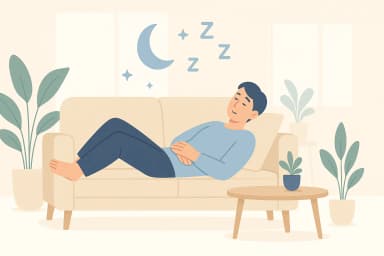
Ever felt that heavy, brain-fogged feeling roll in around 2 PM? You’re not alone. It’s the dreaded afternoon slump, and it can turn a productive day into a real grind. The secret to beating it isn't another cup of coffee. It’s something much simpler: a 20-minute power nap. This quick, intentional rest is like hitting the reset button on your brain, bringing back your focus and boosting your performance for the rest of the day. Think of it as one of the most effective ways to transform your workday without a major schedule overhaul.

I've been thinking a lot lately about how much time people spend scrolling through social media. In this article, I'll tell you how I did, and still do, to spend less time on social media and reduce (or even remove completely) the daily scrolling. If your goal is to spend less time on social media and more time actually living your life, this article is for you. It's not always easy, but you'll see that it's totally doable.

Lately, there's been a lot of talk about those standing desks. You know, the ones that let you work on your feet? People are wondering if they really make a difference for your health and how much work you get done. We sit so much these days, it's hard not to think about it. So, let's break down the whole sitting versus standing thing and see what the deal is.
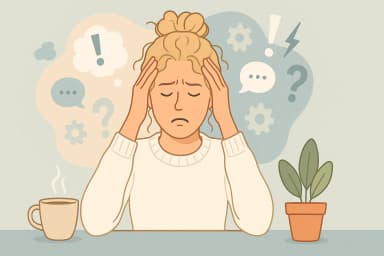
If you have ADHD, the best focus app is an external support system for your brain. It is a tool that steps in to help manage time, block out the noise, and get your tasks in order. The really good ones come with customizable timers, visual ways to see your progress, and serious distraction blockers that actually work.

In the demanding environment of remote work, stress can quietly accumulate, affecting everything from productivity to overall well-being. The constant connection to digital devices and the merging of work and personal spaces create a unique set of daily pressures. Fortunately, one of the most effective tools for managing this tension is readily available: your breath.

In an academic environment saturated with information and distractions, the difference between success and struggle often comes down to the tools you use. Studying effectively means having a strategic system.

It's easy to get fixated on the number of hours you spend in bed, but that's only half the story. The real secret to waking up refreshed is about the quality of your sleep.
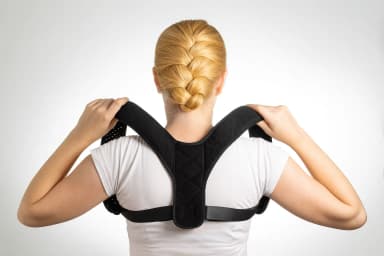
So, do posture correctors actually work? The short answer is they offer a temporary change, but they are not a long-term solution. While they can offer a temporary fix by physically pulling your shoulders back, they don't solve the underlying problem. Think of them as a physical nudge, a constant reminder to sit or stand up straight. But they don't do anything to build the muscle strength you need for lasting change.

In today's demanding professional landscape, the line between a tough week and chronic burnout is becoming increasingly blurred. Many desk-based professionals dismiss persistent exhaustion, cynicism, and declining productivity as just part of the job. However, these are often clear indicators of a more serious issue. The World Health Organization, in its 11th Revision of the International Classification of Diseases (ICD-11), defines burnout as an "occupational phenomenon" resulting from chronic workplace stress that has not been successfully managed. It's crucial to distinguish this from regular stress.

Fixing your posture is more easy than it seems. It’s a mix of strengthening the right muscles, stretching out the tight ones, and, most importantly, consciously changing the habits and environments that got you slouching in the first place. The journey starts with simple awareness: noticing your alignment, pulling yourself upright when you slump, and adding a few key exercises to support your spine.

Learn why focus slips at work and at home. See simple steps to improve concentration. Get a one week plan you can follow today.

We all know what it’s like to feel wiped out after a long day. But work fatigue is something else entirely. It’s a deeper, more persistent state of physical, mental, and emotional exhaustion that a good night's sleep just can't seem to fix. It's the difference between ending a busy Monday with your energy tank at 20% and starting every single morning at 30%, no matter how much you rest.
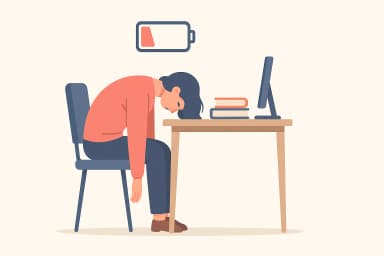
Learning how to sidestep burnout isn't about some grand, sweeping gesture. It's about catching the quiet warnings before they start shouting. The real trick is to tackle the root causes, that draining exhaustion, the growing cynicism, and the feeling that you're just not getting anything done, by building rest and real boundaries directly into your workday.

If you've ever wondered how to finally get some relief from that back pain, you're not alone. The answer usually isn't some magic pill, but a series of small, smart adjustments to how you move, sit, and strengthen your body every single day. By making these consistent changes, you can ease the strain and build a stronger, more resilient back for the long haul.

Learn why procrastination hurts productivity and long term goals. Simple steps to stop delay, build momentum, and grow your online business today.

Feeling like you can’t focus on one thing for more than a few minutes? You’re not alone. Our brains are cooked by the constant stream of short content from platforms like TikTok and Instagram Reels. We are overstimulated all the time, jumping from one thought to the next without settling down for deep, meaningful work. This constant digital snacking has rewired our brains for distraction, causing our collective attention span to decrease significantly.

If you're reading this, chances are you know that nagging, persistent ache in your neck all too well. It’s a feeling many of us share, a frustrating side effect of modern life, especially for those of us tethered to desks and screens. Think of this guide as your personal roadmap, not just to understand that pain, but to finally do something about it.

In our always-on digital environment, maintaining concentration feels like a constant battle. A study from the University of California, Irvine, found it takes over 23 minutes to fully refocus after a single interruption. With relentless notifications and the allure of multitasking, achieving deep work can seem impossible. This challenge is not just about willpower; it is about having the right systems in place.